EverOS web
See official pricing source (opens in a new tab)
Unknown
For: Agent developers
Limits
- Pricing not published
Includes
- Cloud and self-hosted deployment
- Open-source option stated
API included

CodingDocumented overviewLast checked Oct 2, 2026
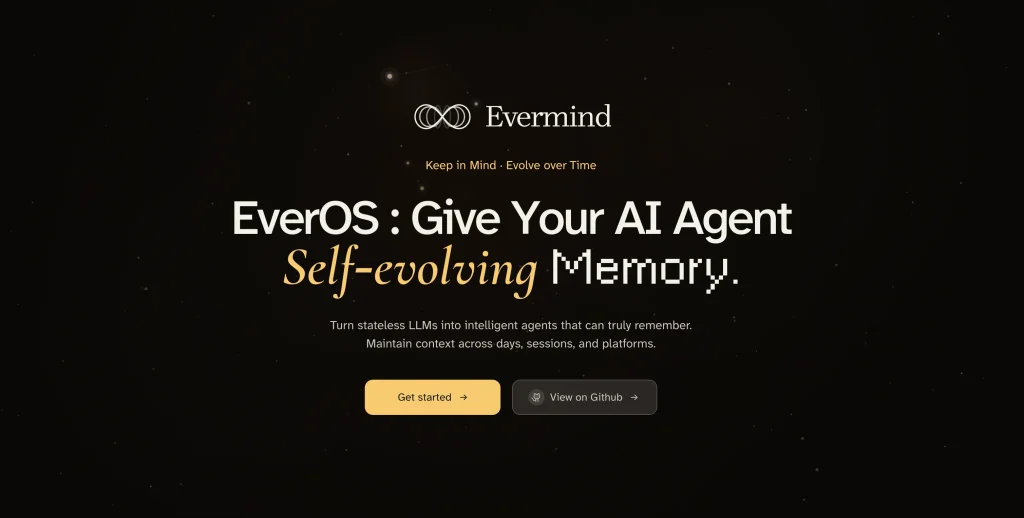
Memory layer (EverOS) for AI agents that stores and retrieves long-term context across sessions and platforms.
 (open full size in a new tab)
 (open full size in a new tab)
 (open full size in a new tab)
 (open full size in a new tab)
Our take: Choose EverOS from Evermind if you are building AI agents that need persistent, self-evolving memory across sessions and platforms, and contact the vendor because no pricing is published.
Main limitation: No pricing, docs or privacy pages loaded, so costs and data terms are unknown, and benchmark figures are vendor-reported.
Choose EverOS from Evermind if you are building AI agents that need persistent, self-evolving memory across sessions and platforms, and contact the vendor because no pricing is published. Based on the vendor's documentation, not on a hands-on test.
Also a good fit for
Or if
Prices checked Oct 2, 2026 on the official US pricing page. Prices and limits change often.
Open-source option stated; terms not shown.
Not stated.
See official pricing source (opens in a new tab)
Unknown
For: Agent developers
Limits
Includes
API included
Not stated.
Not stated.
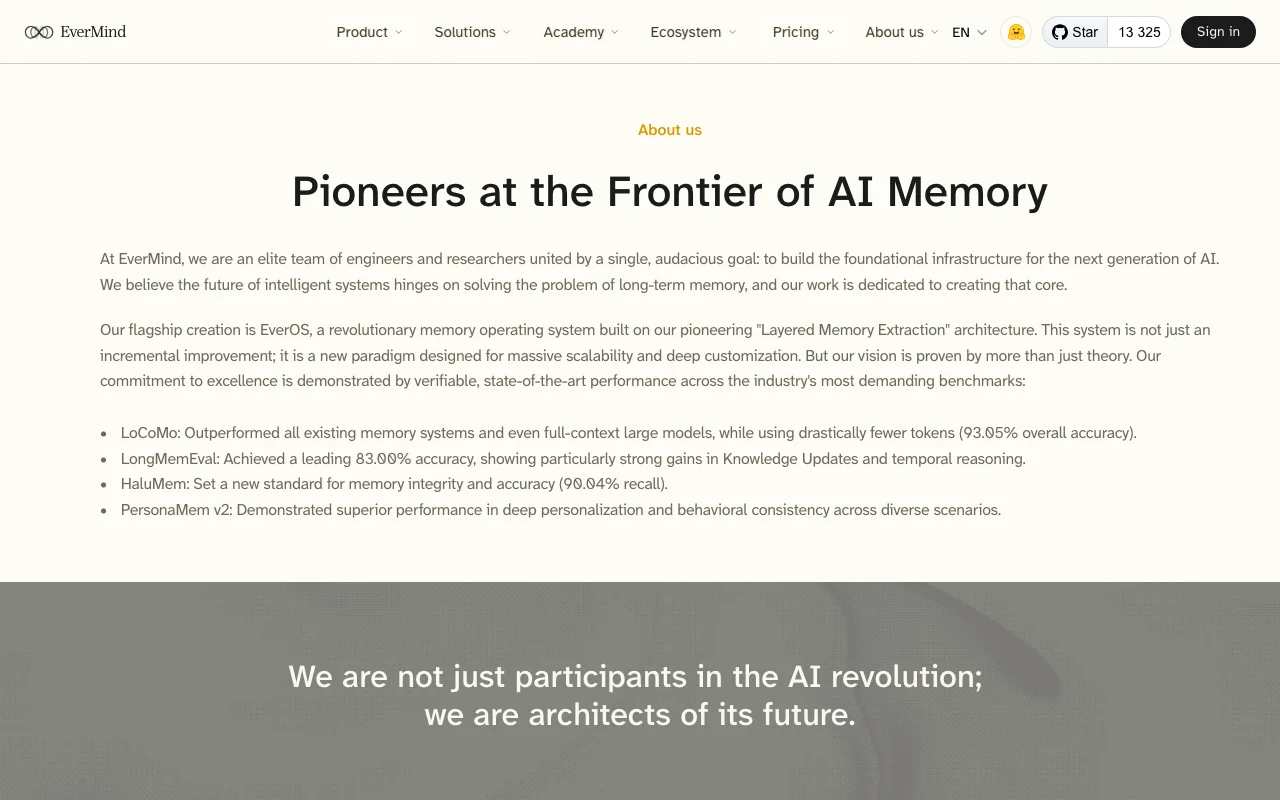
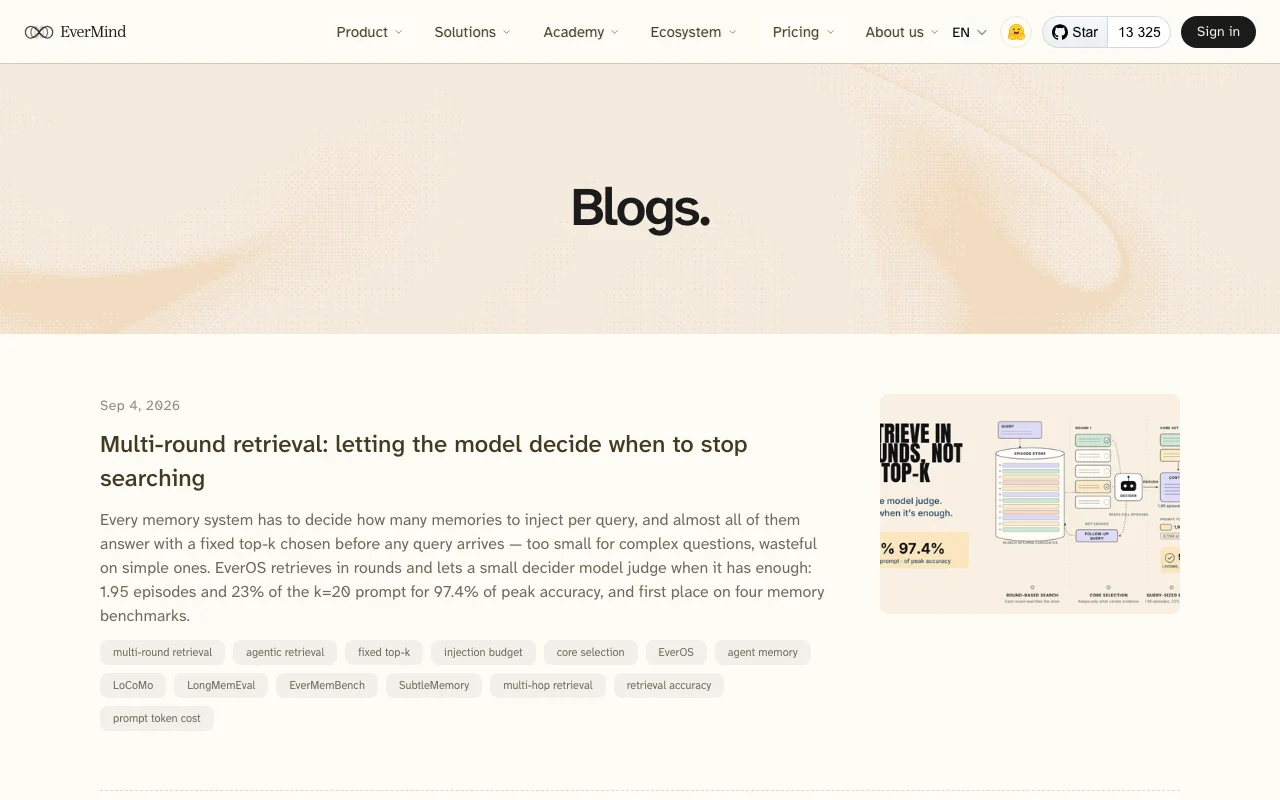
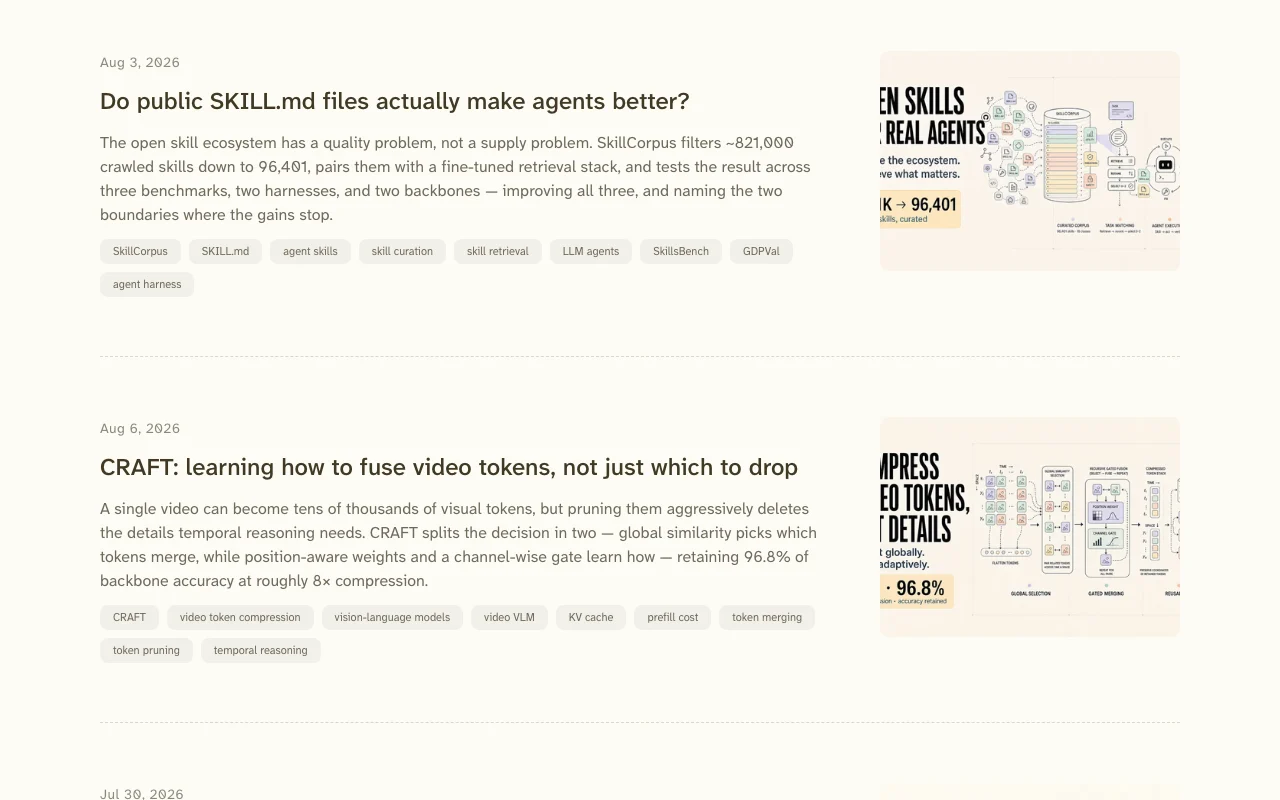
EverMind builds EverOS, a memory operating system for LLM agents. It extracts profile, episodic and skill memories from interactions and retrieves context for later queries, aiming to keep agents consistent over time. The EverOS page mentions cloud and self-hosted options, an open-source release and compatibility with MCP, Claude Code, Codex, and OpenAI and Anthropic SDKs.
You provide
You get back
Scenarios are worked out by our editors from the documentation; the actual result depends on your input and plan.
Extracts profile, episodic and skill memory Agents remember users and tasks
Learns reusable skills from past cases Agents improve over time
Ingests many file types via one API Less preprocessing
Cloud or self-hosted Choice of control
An API is available, billing not documented. Single API for ingestion and retrieval.
No user reviews yet.
Used EverMind (EverOS)? Be the first to share your experience.
A memory layer for AI agents that stores and retrieves long-term context. source (opens in a new tab)
No pricing is published; /pricing returned 404. source (opens in a new tab)
PDFs, images, Word documents, spreadsheets, presentations, emails, HTML, text and URLs. source (opens in a new tab)
The site states cloud and self-hosted deployment. source (opens in a new tab)
They are vendor-reported (LoCoMo 93.05%, LongMemEval 83.00%, HaluMem 93.04%), though the vendor says they are reproducible. source (opens in a new tab)
Not verified: Pricing; Docs; Privacy and retention terms; Licence of open-source parts; Supported SDKs.
Every fact about EverMind (EverOS) above comes from the 3 official pages listed here, last compared on Oct 2, 2026; we have not run EverMind (EverOS) ourselves, so it has no editorial score. How we check and re-check pages.
Article updated Oct 2, 2026; prices checked Oct 2, 2026. Outbound links to vendors are plain links; we do not earn commissions. How we review · Report an error
compare>